
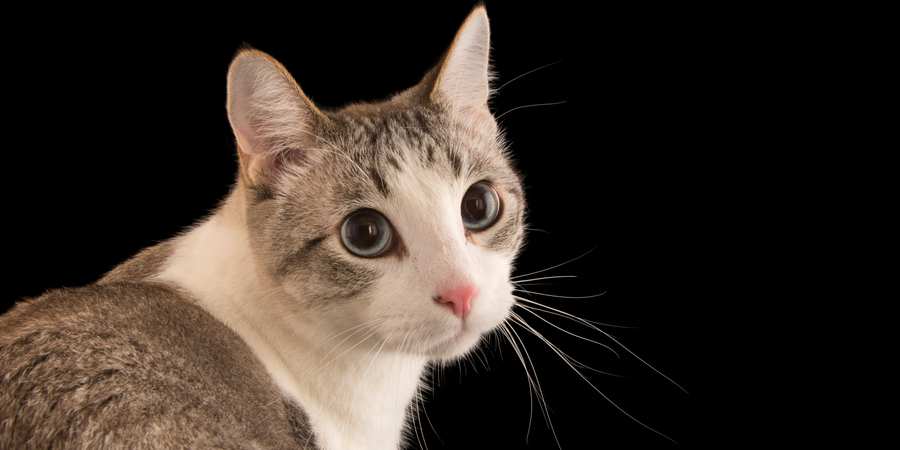
Diarrhea lasting more than two days in cats can indicate a serious health issue requiring veterinary attention.
Cats are often seen as independent creatures, but when it comes to their health, they rely on their human companions to notice when something’s off. One common issue that can arise is diarrhea. Understanding how many days of diarrhea is bad for cats is crucial for any cat owner. Diarrhea in cats can be a sign of various underlying problems, ranging from dietary indiscretion to serious illnesses. Knowing when to seek help can make a significant difference in your cat’s health and well-being.
Understanding Diarrhea in Cats
Diarrhea is defined as loose or watery stools, and it can occur for several reasons. In cats, the digestive system is quite sensitive, and even minor changes in diet or stress levels can lead to gastrointestinal upset. It’s essential to recognize that while occasional diarrhea may not be alarming, persistent diarrhea could indicate a more severe condition.
Common causes include dietary changes, infections (viral, bacterial, or parasitic), food intolerances, stress, and underlying health issues like kidney disease or hyperthyroidism. The severity and duration of diarrhea can vary widely based on the cause and the individual cat’s health.
Signs Accompanying Diarrhea
When a cat experiences diarrhea, it’s not just about the stool itself; other signs may accompany this condition. Observing these signs can help gauge the seriousness of the situation:
- Vomiting: Frequent vomiting alongside diarrhea can lead to dehydration.
- Lethargy: A decrease in energy levels may indicate illness.
- Loss of Appetite: If a cat refuses food for more than 24 hours, it’s concerning.
- Weight Loss: Noticeable weight loss over a short period should prompt a vet visit.
- Fever: Elevated body temperature may suggest an infection.
If any of these signs are present with diarrhea, it’s crucial to consult a veterinarian promptly.
How Long Is Too Long? The Two-Day Rule
A common guideline among veterinarians is the “two-day rule.” If your cat has had diarrhea for more than two consecutive days, it’s time to take action. This timeframe allows for some natural gastrointestinal disturbances that might resolve on their own but also serves as a cautionary limit before potential complications arise.
Prolonged diarrhea can lead to dehydration, especially if the cat is also vomiting or not drinking enough water. Dehydration in cats can quickly become life-threatening; therefore, monitoring your cat’s hydration status is vital during such episodes.
The Importance of Hydration
Cats are notorious for not drinking enough water under normal circumstances. When they have diarrhea, their fluid intake becomes even more critical. Signs of dehydration include:
- Dry gums: Healthy gums should be moist and pink.
- Skin tenting: Gently pinch the skin; if it doesn’t return to normal quickly, your cat may be dehydrated.
- Lethargy: A dehydrated cat often appears weak and less responsive.
If dehydration occurs alongside prolonged diarrhea (more than two days), immediate veterinary intervention is necessary.
Treatment Options for Diarrhea in Cats
The treatment for diarrhea will depend on its underlying cause. Here are some common approaches:
Dietary Management
In many cases, dietary changes can help manage mild cases of diarrhea. A temporary switch to a bland diet—such as boiled chicken without skin or rice—can give the digestive system a break while allowing it to recover. Gradually reintroducing regular food helps determine if there’s any food sensitivity involved.
Medications
Veterinarians may prescribe medications based on the diagnosis. For example:
- Antibiotics: If a bacterial infection is suspected.
- Anti-parasitic treatments: For parasitic infections like worms.
- Probiotics: To restore healthy gut flora after disturbances.
Always follow veterinary advice regarding medication; over-the-counter treatments meant for humans should never be given without professional guidance.
Veterinary care plays an essential role when managing your cat’s health during episodes of diarrhea. A veterinarian will conduct a thorough examination and may recommend diagnostic tests such as fecal examinations or blood tests to identify any underlying issues.
It’s important not only to focus on treating the symptoms but also addressing any root causes that could lead to recurring problems down the line.
A Table Summary of Key Points
| Cue | Description | Action Required |
|---|---|---|
| Mild Diarrhea (Less than 48 hours) | No other symptoms present; occasional loose stool. | No immediate action needed; monitor closely. |
| Persistent Diarrhea (More than 48 hours) | Persistent loose stools with no improvement. | Consult veterinarian immediately. |
| Diarrea with Vomiting/Loss of Appetite | Cats showing additional symptoms like vomiting or refusing food. | Sought veterinary care urgently due to risk of dehydration. |
The Importance of Preventive Measures
Preventing gastrointestinal upset starts with proper nutrition and regular vet check-ups. A balanced diet tailored to your cat’s age and health status significantly reduces the risk of digestive issues. High-quality commercial foods are formulated specifically for feline needs and are often better tolerated than homemade diets unless guided by a veterinary nutritionist.
Regular vaccinations against common infectious diseases also play an essential role in maintaining overall feline health and preventing conditions that could lead to gastrointestinal upset.
Stress management is another critical factor in preventing digestive issues. Cats thrive on routine; sudden changes in their environment—like moving homes or introducing new pets—can trigger anxiety leading to digestive disturbances.
Keeping litter boxes clean encourages healthy bathroom habits as well since dirty boxes can deter cats from using them properly.
The Bottom Line: How Many Days Of Diarrhea Is Bad For Cats?
Understanding how many days of diarrhea is bad for cats boils down to recognizing that anything lasting beyond two days warrants concern. Monitoring hydration levels alongside other symptoms provides insight into whether immediate veterinary intervention is necessary.
Being vigilant about your cat’s overall health allows for early detection and treatment of potential issues before they escalate into something more serious. With proper care and attention, most cases resolve quickly without long-term consequences.
When faced with this uncomfortable yet common issue among our feline friends, staying informed empowers pet owners like me to make sound decisions regarding our beloved companions’ health.