
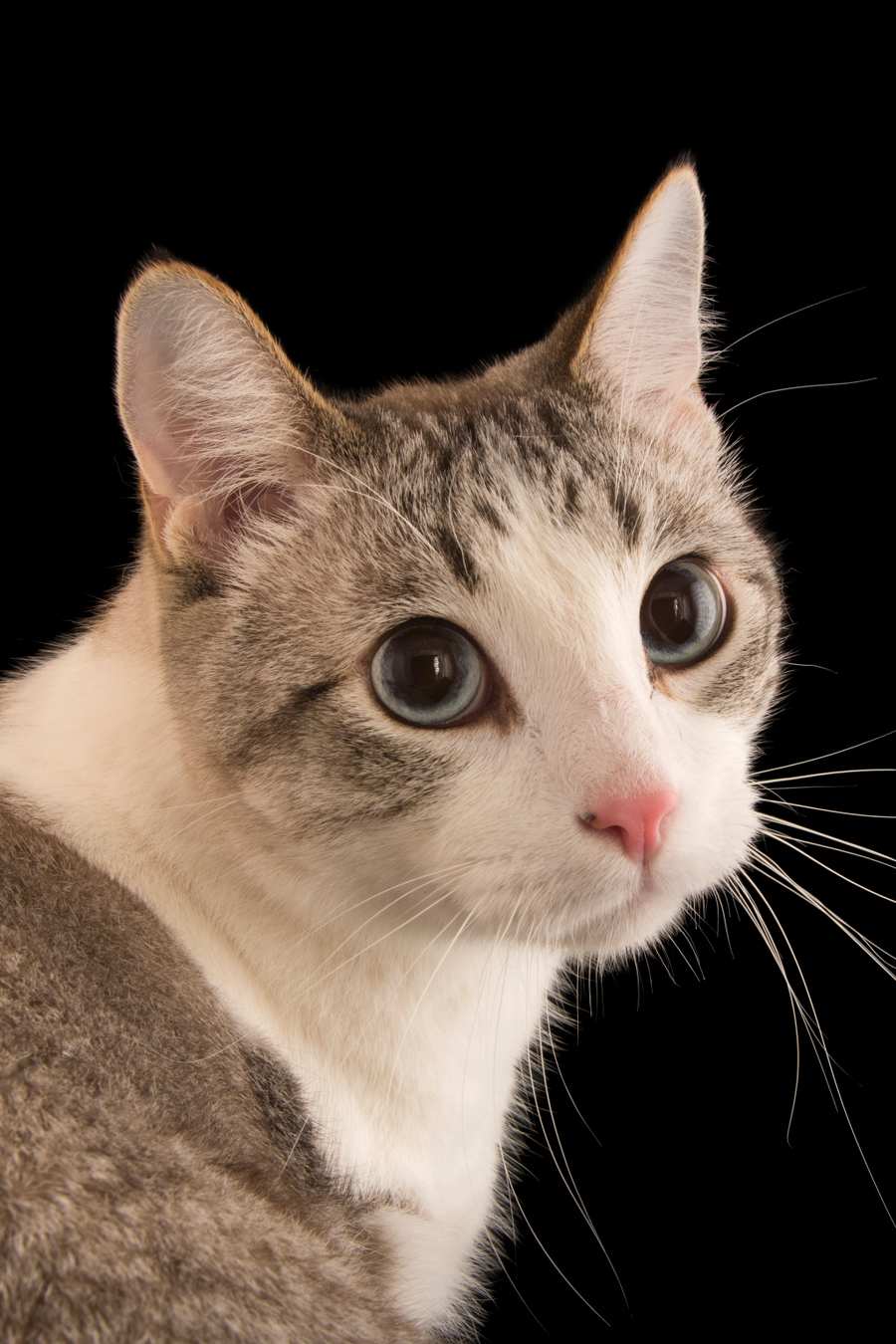
Cats can be sensitive to bamboo, but it’s not a common allergen for them.
Cats are fascinating creatures, known for their playful antics and unique personalities. Among the many aspects of feline life that intrigue cat lovers is their diet and what plants they can safely be around. One plant that often raises questions is bamboo. The question “Are Cats Allergic To Bamboo?” frequently arises among pet owners, especially those considering adding bamboo to their home decor or garden. Understanding how bamboo affects cats involves exploring various factors such as toxicity, allergies, and general health impacts.
Understanding Bamboo: The Basics
Bamboo belongs to the grass family and is renowned for its rapid growth and versatility. It’s used in everything from construction materials to kitchen utensils and even textiles. For cat owners, the most pertinent aspect of bamboo is its safety around pets. While some plants are known to be toxic or allergenic to cats, bamboo doesn’t typically fall into this category.
However, there are different species of bamboo, and not all are created equal. Some varieties may contain compounds that could irritate a cat’s digestive system if ingested in large quantities. It’s essential to differentiate between ornamental bamboo plants and those that are toxic.
Bamboo Varieties and Their Safety
Most commonly found in homes and gardens, the following types of bamboo are generally considered safe for cats:
- Phyllostachys: Also known as timber bamboo, it’s often used for landscaping.
- Bambusa: This type is popular in tropical regions and can grow quite tall.
- Fargesia: Known as clumping bamboo, it’s non-invasive and safe.
It’s crucial to note that while these varieties are generally safe, individual cats may have unique sensitivities. If a cat decides to nibble on some leaves or stalks, it may lead to mild gastrointestinal upset.
Allergies in Cats: An Overview
Cats can suffer from various allergies just like humans do. These allergies can stem from food, environmental factors like pollen or dust mites, or contact with certain plants. Symptoms often include:
- Itchy skin
- Red or inflamed areas
- Excessive grooming
- Ear infections
The question “Are Cats Allergic To Bamboo?” becomes more relevant when considering that any plant could potentially trigger an allergic reaction in a sensitive individual. However, documented cases of cats having specific allergies to bamboo are rare.
Common Allergens for Cats
To better understand the potential risks associated with allergies in cats, here’s a brief overview of common allergens:
| Allergen Type | Examples | Symptoms |
|---|---|---|
| Food Allergens | Fish, dairy, grains | Vomiting, diarrhea |
| Environmental Allergens | Pollen, dust mites | Sneezing, itching |
| Contact Allergens | Certain plants (e.g., lilies) | Skin irritation |
This table illustrates that while many allergens exist for cats, bamboo is not typically one of them.
Potential Risks Associated with Bamboo
While most types of bamboo aren’t inherently harmful to cats, there are still some risks worth noting. If a cat consumes large amounts of any plant material—bamboo included—it could lead to digestive upset. Symptoms might manifest as vomiting or diarrhea.
Another consideration involves the physical structure of bamboo itself. The stalks can be quite hard and sharp; if a cat were to chew on these parts aggressively, it could potentially injure its mouth or digestive tract.
Signs Your Cat Might Be Having Issues
If there’s concern about whether your cat has ingested too much bamboo or is experiencing an allergic reaction—however unlikely—watching for certain signs can be helpful:
- Vomiting: Occasional vomiting isn’t uncommon after eating something new.
- Diarrhea: Loose stools may indicate digestive distress.
- Lethargy: A sudden drop in energy levels could signal discomfort.
- Excessive Grooming: This might indicate skin irritation or discomfort.
If any of these symptoms appear after exposure to bamboo or other new plants in your home environment, consulting with a veterinarian is wise.
How to Safely Introduce Plants at Home
For those who love greenery but also have feline companions at home, it’s important to choose plants wisely. Here are some tips for introducing plants like bamboo into your living space safely:
1. Research Plant Varieties: Ensure you understand which types of plants are safe for cats.
2. Monitor Your Cat’s Behavior: If you introduce a new plant like bamboo into your home, observe how your cat interacts with it closely.
3. Provide Alternatives: Offering designated cat-friendly plants can redirect your feline friend’s attention away from potentially harmful ones.
4. Limit Access: If you’re concerned about your cat chewing on specific plants like ornamental bamboos—especially if they seem particularly curious—consider placing them out of reach.
5. Consult Your Vet: If unsure about which plants are safe or if you notice unusual behavior after introducing new flora into your home environment.
Cat-Friendly Plants You Can Consider
To create a safe environment filled with greenery without risking your cat’s health, consider incorporating the following plants:
| Plant Name | Description |
|---|---|
| Catnip | A member of the mint family; many cats love it! |
| Spider Plant | Non-toxic; great air purifier! |
| Boston Fern | Safe for pets; adds humidity! |
| Areca Palm | A beautiful palm that’s also non-toxic! |
These options provide natural stimulation without posing risks associated with other houseplants.
Key Takeaways: Cats and Bamboo
➤ Cats and Bamboo Safety: Most bamboo types are safe for cats to be around. ➤ Allergy Rarity: Documented cat allergies to bamboo are extremely rare. ➤ Watch for Symptoms: Monitor for vomiting or lethargy after exposure. ➤ Plant Choices Matter: Research plants to ensure they’re safe for your cat. ➤ Consult Your Vet:Consult Your Vet:
Frequently Asked Questions: Are Cats Allergic To Bamboo?
Can all cats be allergic to bamboo?
While most cats are not allergic to bamboo, individual sensitivities can occur. Allergies in cats can arise from various sources, including food and environmental factors. Bamboo is generally considered safe, but each cat may react differently. If a cat shows signs of discomfort after exposure to bamboo, it could indicate an unusual sensitivity rather than a common allergy.
Monitoring your cat’s behavior is essential. If symptoms like itching or gastrointestinal upset appear after contact with bamboo, consult a veterinarian for further evaluation.
What should I do if my cat eats bamboo?
If your cat consumes bamboo, observe its behavior closely. While most types of bamboo are non-toxic, ingesting large amounts can lead to mild gastrointestinal upset. Signs to watch for include vomiting, diarrhea, or lethargy.
If your cat exhibits any concerning symptoms after eating bamboo, it’s wise to consult your veterinarian. They can provide guidance based on the amount ingested and the specific type of bamboo involved.
Are there any types of bamboo that are toxic to cats?
Most commonly found bamboos are not toxic to cats; however, certain species may contain compounds that could irritate if consumed in large quantities. Ornamental varieties are typically safe, while others may pose risks if ingested excessively.
It’s crucial for pet owners to research specific species before introducing them into their homes. Always prioritize safety and monitor your pet’s interaction with new plants.
How can I prevent my cat from eating bamboo?
To deter your cat from nibbling on bamboo or other plants, consider several strategies. First, place the plants out of reach or in areas inaccessible to your feline friend. Provide alternatives, such as catnip or grass specifically designed for cats.
Additionally, monitoring your cat’s behavior around new plants will help you identify any interest in chewing them. If necessary, consult with a veterinarian for further advice on managing plant interactions safely.
What are common signs of allergies in cats?
Cats exhibit various symptoms when experiencing allergies. Common signs include itchy skin, excessive grooming, ear infections, and red or inflamed areas on their body. If you suspect an allergy, it’s essential to observe any changes in behavior following exposure to new plants like bamboo.
If symptoms persist or worsen, consulting a veterinarian is crucial for proper diagnosis and treatment options tailored to your pet’s needs.
Conclusion – Are Cats Allergic To Bamboo?
In summary, the question “Are Cats Allergic To Bamboo?” finds its answer rooted in understanding both feline health and plant safety. While most varieties of bamboo aren’t toxic or commonly allergenic to cats, individual sensitivities can vary greatly among pets. Being informed about what plants coexist safely with our furry friends helps ensure their well-being while allowing us to enjoy nature indoors.
Ultimately, vigilance remains key when introducing any new element into a pet-friendly environment—whether it’s food or foliage—and staying attuned to any changes in behavior will always serve as the best guide toward maintaining harmony between our beloved pets and their surroundings.