
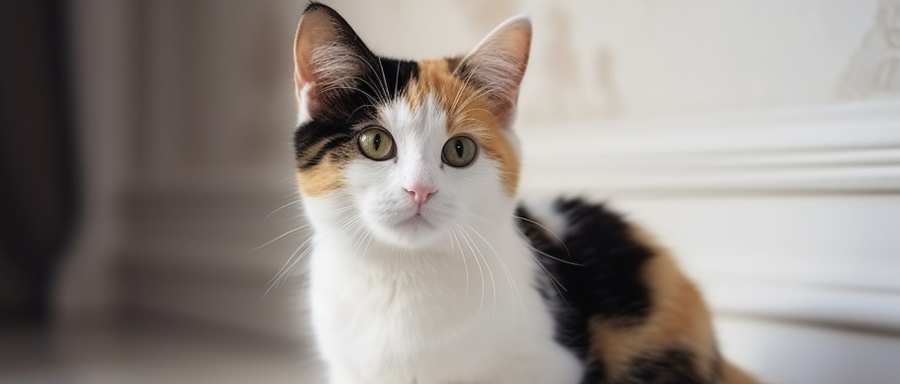
Lithops are non-toxic to cats, making them a safe choice for pet owners who love these unique succulents.
Lithops, often referred to as “living stones,” are fascinating succulent plants that have captured the hearts of many plant enthusiasts. Their unique appearance and low maintenance requirements make them popular among indoor gardeners. However, for those who share their homes with furry companions, questions often arise regarding the safety of these plants. One of the most common inquiries is: Are Lithops Toxic To Cats? Understanding the safety of plants around pets is crucial for any responsible pet owner.
The Allure of Lithops
Lithops belong to the Aizoaceae family and are native to southern Africa. Their ability to blend into their environment provides them with a natural camouflage against herbivores. These plants thrive in arid conditions and require minimal water, making them an ideal choice for busy individuals or those new to gardening. The variety in color and shape among different Lithops species can be quite striking, ranging from greens and browns to vibrant yellows and reds.
The appeal of Lithops goes beyond their aesthetic value. They offer a sense of tranquility and connection to nature, which can be incredibly rewarding for plant lovers. However, as enchanting as they may be, it’s essential to consider how they fit into a household with pets.
Understanding Plant Toxicity
Plant toxicity refers to the harmful effects that certain plants can have on animals when ingested. Many common houseplants pose risks to pets, leading concerned owners to seek out safe alternatives. The ASPCA (American Society for the Prevention of Cruelty to Animals) provides a comprehensive list of plants that are toxic or non-toxic to pets.
In evaluating whether Lithops are safe around cats, one must consider both direct ingestion and dermal exposure. Fortunately, extensive research indicates that Lithops are not toxic to cats or dogs. This makes them an excellent option for homes where pets roam freely.
What Makes Lithops Safe?
The safety of Lithops can be attributed to several factors:
1. Non-Toxic Composition: Unlike many ornamental plants that contain harmful compounds such as saponins or alkaloids, Lithops lack these toxic substances. This characteristic renders them harmless if nibbled on by curious cats.
2. Low Palatability: Cats are often selective eaters; they tend not to consume plants unless they find them appealing. The tough texture and unusual appearance of Lithops may deter cats from treating them as a snack.
3. Natural Adaptations: As desert-dwelling plants, Lithops have evolved mechanisms that help them survive harsh conditions, including droughts and extreme temperatures. Their thick leaves store water and nutrients but do not provide much in terms of taste or nutrition for animals.
To further illustrate the safety profile of various houseplants concerning feline companions, consider the following table:
| Plant Name | Toxicity Level | Notes |
|---|---|---|
| Lithops | Non-Toxic | Safe for cats; no harmful substances. |
| Aloe Vera | Toxic | Contains compounds that can cause vomiting. |
| Pothos | Toxic | Can cause oral irritation and gastrointestinal upset. |
| Spider Plant | Non-Toxic | Safe for cats; often attracts playful behavior. |
| Sago Palm | Toxic | Highly toxic; ingestion can lead to severe liver damage. |
This table highlights some common houseplants alongside their toxicity levels for cats. It’s clear that while many popular indoor plants pose risks, Lithops stand out as a safe option.
Signs Your Cat Might Be Curious About Plants
Even though Lithops are non-toxic, it’s still wise to monitor your cat’s behavior around any houseplants. Cats exhibit various behaviors when they’re interested in something new:
- Sniffing: A curious cat might approach a plant and sniff it thoroughly.
- Nudging: Cats often use their noses or paws to nudge at objects they’re exploring.
- Chewing: If a cat decides to take a bite out of curiosity, it’s crucial to observe how they react afterward.
If you notice your cat displaying these behaviors around your Lithops or any other plant, it’s essential to watch closely for any signs of distress or discomfort afterward.
Creating a Cat-Friendly Environment with Plants
Designing a home with both plants and pets requires careful consideration. Here are some strategies for ensuring your home remains safe while allowing you to enjoy your green companions:
1. Placement Matters: Positioning plants out of reach from playful paws is vital. Hanging pots or high shelves can keep your Lithops safe from curious cats.
2. Distraction Techniques: Providing alternative sources of entertainment for your cat can help divert their attention from your precious plants. Consider providing interactive toys or dedicated scratching posts nearby.
3. Educate Yourself on Plants: Familiarizing oneself with common household plants’ toxicity levels allows pet owners to make informed decisions about which species are suitable for their homes.
4. Regular Monitoring: Keeping an eye on both your plants and pets ensures you catch any potential issues early on—whether it’s a plant showing signs of distress or a cat exhibiting unusual behavior after interacting with greenery.
5. Consider Cat Grass: Offering cat grass (like wheatgrass) can satisfy your feline’s urge to nibble on greenery without putting them at risk from toxic plants.
The Benefits of Having Plants Around Cats
Beyond aesthetic appeal, having plants like Lithops in the home provides numerous benefits:
- Air Quality Improvement: Many houseplants contribute positively by filtering toxins from the air.
- Stress Relief: Studies indicate that being around greenery can reduce stress levels in humans.
- Enhanced Creativity: A well-planted environment fosters creativity and boosts mood—beneficial traits both for humans and their furry friends!
Incorporating non-toxic options like Lithops into one’s living space enhances both visual appeal and overall well-being without compromising pet safety.
Caring for Your Lithops While Sharing Space with Cats
Taking care of Lithops isn’t complicated but does require some attention:
- Watering Needs: These succulents thrive on neglect! Water sparingly—typically every two weeks during growing seasons—and allow the soil to dry out completely between watering sessions.
- Lighting Conditions: Place lithops where they receive bright indirect light; direct sunlight may scorch their delicate leaves.
- Soil Requirements: Use well-draining soil designed specifically for succulents; this prevents root rot—a common issue among overwatered lithops.
By ensuring proper care techniques are followed while cohabiting with curious felines ensures both plant health and pet safety remain intact!
Conclusion – Are Lithops Toxic To Cats?
In summary, the answer is clear—Are Lithops Toxic To Cats? No! These delightful little succulents offer beauty without risk in homes shared with feline companions. Their non-toxic nature makes them an excellent choice for anyone looking to add greenery while keeping their pets safe.
As always, being mindful about plant selection ensures peace of mind while enjoying all the benefits that come with nurturing living things within our spaces! Whether you’re an experienced gardener or just starting out, incorporating lithops into your collection is sure not only brighten up your home but also keep those whiskered friends safe!