
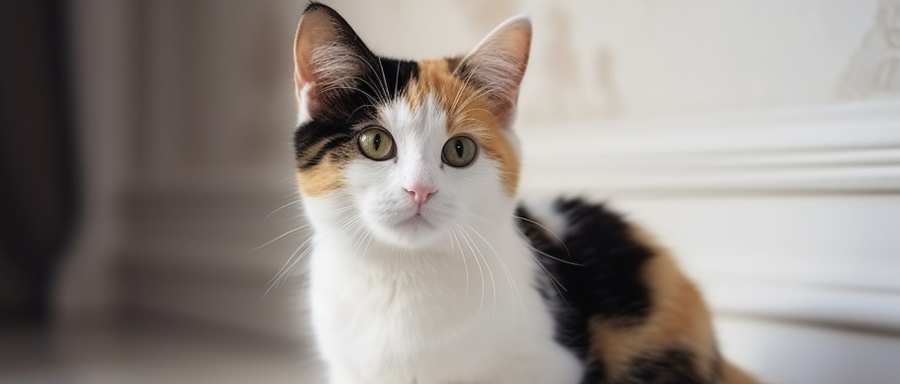
Lykoi cats produce fewer allergens than many breeds, but they are not completely hypoallergenic.
Lykoi cats, often referred to as “werewolf cats,” have gained popularity for their unique appearance and fascinating personalities. With their striking features, such as a partially hairless coat and expressive eyes, these felines capture the hearts of many. However, potential cat owners frequently ask, “Are Lykoi cats hypoallergenic?” Understanding the answer to this question is crucial for anyone considering adopting a Lykoi.
The term “hypoallergenic” refers to substances that are less likely to trigger allergic reactions. In terms of pets, it typically indicates breeds that produce fewer allergens—proteins found in cat saliva, skin, and urine—that can provoke allergies in sensitive individuals. While no cat breed is entirely free of allergens, some are known to produce less than others.
Lykoi cats present a unique case. Their unusual coat contributes to their charm but also raises questions about their allergenic potential. To explore whether Lykoi cats are hypoallergenic, one must delve into their genetics, grooming needs, and the nature of cat allergens.
The Allergen Mystery: Understanding Cat Allergens
Cat allergens primarily come from a protein called Fel d 1. This protein is found in cat saliva, skin cells (dander), urine, and even feces. When cats groom themselves—a routine activity—they spread saliva across their fur. As the saliva dries, it flakes off with the dander into the environment, creating airborne particles that can trigger allergic reactions in susceptible individuals.
Interestingly, not all cats produce the same amount of Fel d 1. Some breeds are known for lower production levels of this allergenic protein. For instance:
| Cat Breed | Fel d 1 Production |
|---|---|
| Siberian | Low |
| Bengal | Low |
| Oriental Shorthair | Moderate |
| Lykoi | Moderate |
While Siberians and Bengals are often touted as hypoallergenic due to their reduced production of Fel d 1, Lykoi cats fall into a moderate category. Their unique coat structure—often described as patchy or sparse—may contribute to lower allergen accumulation on their fur compared to more densely coated breeds.
Lykoi Cats: Unique Traits and Grooming Needs
Lykoi cats have distinct grooming requirements due to their unusual fur texture. Unlike typical felines with full coats, Lykoi possess a combination of both hairless patches and short hairs that resemble a wolf’s fur. This gives them an extraordinary appearance but also means they require specific grooming routines.
Regular grooming helps minimize loose hair and dander in the home environment. Owners should brush their Lykoi at least once a week to remove dead hair and reduce allergen spread. Bathing them occasionally can also help eliminate excess oils and dander that accumulate on their skin.
Moreover, since Lykoi have less fur than traditional breeds, they may be more prone to skin issues if not cared for properly. Keeping their skin clean and healthy is essential for overall well-being and can impact allergen levels.
The Genetic Factor: How Genetics Influence Allergies
The genetics behind Lykoi cats play an important role in determining whether they might be suitable for allergy sufferers. The breed originated from natural mutations in domestic shorthair cats in Tennessee during the early 2000s. Their unique appearance stems from a genetic mutation affecting hair growth patterns.
While genetics can influence allergen production levels among individual cats within any breed—including Lykoi—it’s essential to remember that each cat is different. Some Lykoi may produce more Fel d 1 than others due to genetic variability.
Research shows that certain breeds may have variations in Fel d 1 expression based on genetic factors. Therefore, potential owners should spend time with individual Lykoi before making decisions about adoption—this allows them to gauge personal reactions to the specific cat’s allergens.
Living with Allergies: Managing Exposure
For those who are allergic but still wish to welcome a Lykoi into their home, there are several strategies for managing exposure to allergens effectively:
1. Create Allergen-Free Zones: Designate specific areas of the home where the cat is not allowed—such as bedrooms—to provide refuge from allergens.
2. Air Purification: Investing in high-efficiency particulate air (HEPA) filters can significantly reduce airborne allergens throughout living spaces.
3. Regular Cleaning: Frequent vacuuming using HEPA-filtered vacuums helps remove dander and hair from carpets and upholstery.
4. Grooming Routine: Establishing a consistent grooming schedule ensures that loose fur and dander are minimized.
5. Consultation with Allergists: Seeking advice from healthcare professionals specializing in allergies can provide tailored strategies for managing symptoms effectively.
By taking proactive measures like these, individuals with allergies can create a more comfortable living environment while enjoying companionship with their beloved Lykoi cats.
The Benefits of Owning a Lykoi Cat
Despite concerns about allergies, owning a Lykoi cat offers numerous benefits beyond their striking looks:
- Affectionate Companionship: Known for being social and affectionate creatures, Lykoi thrive on human interaction and often form strong bonds with their families.
- Playful Nature: These cats are playful and curious by nature; they enjoy engaging activities that stimulate both mind and body.
- Unique Personality: Each Lykoi has its distinct personality traits; many exhibit dog-like behaviors such as following owners around the house or playing fetch.
- Low Shedding: With less fur comes less shedding—a significant advantage for those sensitive to pet hair.
For individuals who can manage allergies effectively while appreciating these unique traits of Lykoi cats, adopting one could lead to fulfilling companionship filled with love and joy.
Conclusion – Are Lykoi Cats Hypoallergenic?
In summary, while no cat breed is entirely hypoallergenic—including the charming Lykoi—their unique coat structure may result in lower allergen levels compared to other breeds. Those considering welcoming a Lykoi into their home should take proactive measures to manage allergens effectively while enjoying the delightful companionship these extraordinary felines offer.
Understanding whether “Are Lykoi Cats Hypoallergenic?” involves examining various factors including genetics, grooming routines, and individual responses to allergens—ensuring informed decisions lead toward harmonious living arrangements with our feline friends!