
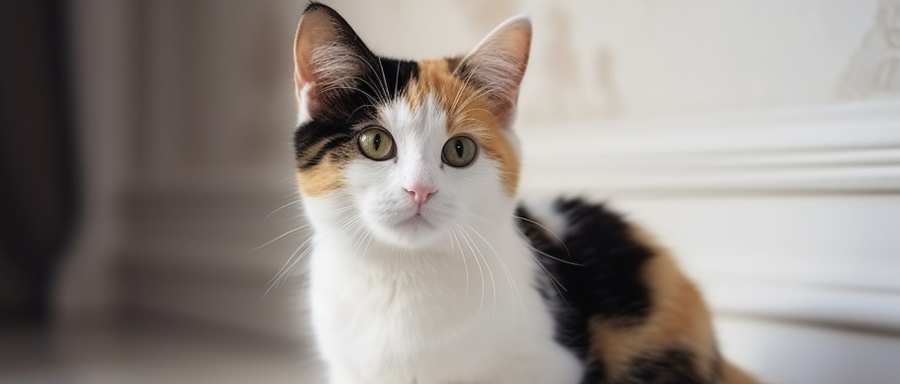
Moth balls can be toxic to cats, causing serious health issues if ingested or inhaled.
Moth balls are commonly used to repel pests, but their safety around pets, particularly cats, raises significant concerns. Many cat owners may not realize that these seemingly harmless products can pose a serious threat to their furry companions. The active ingredients in moth balls, typically naphthalene or paradichlorobenzene, are toxic substances that can lead to various health complications in cats. In this article, I’ll delve into the potential dangers of moth balls for cats, symptoms of poisoning, and what to do if your cat is exposed.
The Toxic Components of Moth Balls
Moth balls primarily contain either naphthalene or paradichlorobenzene. Both substances are known for their ability to repel moths and other insects effectively. However, they also have toxic properties that can adversely affect cats.
Naphthalene is a white crystalline compound with a distinctive smell. It can cause hemolytic anemia in cats, leading to a breakdown of red blood cells. Symptoms may include lethargy, weakness, and jaundice. On the other hand, paradichlorobenzene is less common but still poses risks. It can irritate the respiratory tract and lead to gastrointestinal distress.
Here’s a quick comparison of these two compounds:
| Component | Common Name | Toxicity Symptoms in Cats |
|---|---|---|
| Naphthalene | Moth Balls (Traditional) | Hemolytic anemia, lethargy, jaundice |
| Paradichlorobenzene | Moth Balls (Modern) | Respiratory irritation, vomiting, diarrhea |
Understanding these components is crucial for any cat owner who uses moth balls in their home. The risk they present cannot be understated.
How Cats Are Exposed to Moth Balls
Cats are naturally curious creatures. They often explore their environment by sniffing and tasting objects around them. This behavior puts them at risk when moth balls are present. There are several ways a cat might come into contact with these toxic substances:
1. Ingestion: If a cat finds and chews on a moth ball, it can ingest toxic amounts of naphthalene or paradichlorobenzene.
2. Inhalation: Moth balls release vapors that can be inhaled by pets. This exposure can occur even if the cat doesn’t directly interact with the moth balls.
3. Skin Contact: Though less common, direct contact with moth balls may cause skin irritation or absorption of toxins through the skin.
It’s essential for pet owners to recognize these exposure routes and take preventative measures.
Symptoms of Moth Ball Poisoning in Cats
Recognizing the signs of moth ball poisoning early can make a significant difference in treatment outcomes. Symptoms may vary depending on whether the cat has ingested or inhaled the toxins.
Common symptoms include:
- Lethargy: A noticeable decrease in energy levels.
- Vomiting: This may occur as the body attempts to expel the toxins.
- Diarrhea: Gastrointestinal upset is common with chemical exposure.
- Difficulty Breathing: If inhaled vapors irritate the respiratory system.
- Jaundice: Yellowing of the skin and eyes indicates liver damage from naphthalene toxicity.
- Seizures: In severe cases, neurological symptoms may manifest.
If any of these symptoms appear after potential exposure to moth balls, immediate veterinary care is crucial.
Immediate Actions if Your Cat is Exposed
Time is of the essence when dealing with potential poisoning from moth balls. Here’s what should be done if you suspect your cat has been exposed:
1. Remove Your Cat from Exposure: Immediately take your cat away from the area where moth balls are present.
2. Assess Symptoms: Monitor your cat for any signs mentioned earlier.
3. Contact Your Veterinarian: Provide details about exposure and symptoms observed.
4. Follow Veterinary Advice: Your vet may recommend bringing your cat in for evaluation or provide instructions for at-home care based on symptom severity.
In some cases, inducing vomiting might be necessary if ingestion occurred recently; however, this should only be done under veterinary guidance.
Long-term Effects of Moth Ball Poisoning
Even after immediate treatment for poisoning, there could be long-term effects on a cat’s health depending on the level of exposure and how quickly treatment was administered.
Cats recovering from naphthalene poisoning may experience ongoing issues such as:
- Anemia: Continual monitoring might be needed as red blood cell counts stabilize.
- Liver Damage: Some cats might face long-term liver dysfunction due to toxin exposure.
- Respiratory Issues: If inhalation was involved, chronic respiratory problems could develop over time.
Regular follow-ups with a veterinarian will help ensure that any lingering effects are managed promptly.
Preventative Measures Against Moth Ball Exposure
Taking proactive steps can prevent accidental exposure to moth balls entirely. Here are some effective strategies:
1. Use Alternatives for Pest Control: Consider natural repellents like cedar chips or essential oils known to deter pests without harming pets.
2. Store Moth Balls Safely: If moth balls must be used, ensure they are stored in secure containers well out of reach from curious paws.
3. Educate Household Members: Ensure everyone in your home understands the dangers associated with using moth balls around pets.
4. Regularly Inspect Storage Areas: Check closets and storage spaces where moth balls might be used; ensure they’re intact and not leaking harmful chemicals.
By taking these precautions seriously, it’s possible to create a safer environment for cats while effectively managing pest issues.
The Importance of Awareness Among Pet Owners
Awareness about household hazards like moth balls is vital for pet owners everywhere. The more informed one is about potential dangers lurking within their homes, the better equipped they’ll be to protect their feline friends.
Community discussions around pet safety often shine light on less obvious threats like chemical pest control methods that many people use without realizing their risks. Sharing information about safe alternatives not only helps individual pet owners but also contributes to broader awareness efforts within communities.
Being proactive about learning which household items pose risks allows pet owners to make informed decisions about what products they use around their pets.
Conclusion – Are Moth Balls Dangerous To Cats?
The question “Are Moth Balls Dangerous To Cats?” yields a resounding yes—these products pose significant risks due to their toxic ingredients and effects on feline health. Immediate action following exposure can save lives; hence awareness among pet owners is paramount.
By understanding how these products work and recognizing symptoms associated with poisoning, one can take steps toward ensuring a safer living environment for beloved pets while managing pest problems effectively without compromising health.
Ultimately, knowledge truly is power when it comes to protecting our furry companions from unnecessary harm—making informed choices today leads toward healthier tomorrows!