
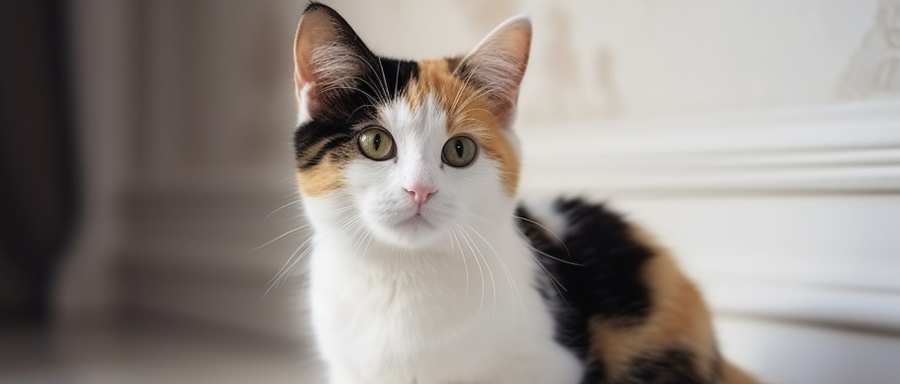
Peonies can be toxic to cats, causing symptoms like vomiting and diarrhea if ingested.
Peonies are one of those flowers that captivate with their lush blooms and delightful fragrance. They often grace gardens and homes, adding a touch of elegance and beauty. However, for cat owners, the question arises: Are Peonies Ok For Cats? It’s essential to know the potential risks associated with these stunning plants, especially if furry friends roam around the house or garden.
The Allure of Peonies
Peonies are beloved for their large, vibrant blossoms that bloom in late spring to early summer. They come in various colors, including pink, white, red, and even yellow. Their sweet scent and lush foliage make them a popular choice for gardens and floral arrangements. Beyond their beauty, peonies have a rich history in traditional medicine and cultural significance across various societies.
Despite their charm, it’s crucial to understand the implications of having peonies in a household with cats. While these flowers might seem harmless, they harbor certain compounds that can pose risks to feline health.
Understanding Plant Toxicity
Plants can be toxic for various reasons. Some contain alkaloids or glycosides that can disrupt normal bodily functions. Others may have compounds that irritate the digestive tract or cause allergic reactions. In the case of peonies, they contain substances that can lead to gastrointestinal upset in cats.
The ASPCA (American Society for the Prevention of Cruelty to Animals) maintains an extensive list of plants toxic to pets. According to their resources, peonies fall under this category due to their potential harmful effects on cats.
Symptoms of Peony Poisoning in Cats
If a cat ingests part of a peony plant—whether it’s the leaves, stems, or flowers—the following symptoms may occur:
- Vomiting: One of the most common reactions is throwing up shortly after consumption.
- Diarrhea: Gastrointestinal distress may lead to loose stools.
- Lethargy: Affected cats might appear unusually tired or less active.
- Lack of appetite: Cats may refuse food if they’re feeling unwell.
- Abdominal pain: Signs of discomfort such as whining or sensitivity when touched.
It’s vital for pet owners to monitor their cats closely if they suspect ingestion of any plant material. If symptoms arise, contacting a veterinarian promptly is crucial.
A Closer Look at Peony Components
Peonies contain several components that contribute to their toxicity:
| Component | Description |
|---|---|
| Paeonol | A compound found in peonies that can cause digestive issues when ingested by cats. |
| Tannins | These compounds can irritate the gastrointestinal tract and lead to symptoms like vomiting and diarrhea. |
| Saponins | Saponins can also cause gastrointestinal upset and affect overall health. |
While humans may enjoy peonies without issue—using them in bouquets or gardens—cats are more sensitive due to their unique physiology.
Caring for Cats Around Peonies
For those who adore peonies but also have feline companions at home, there are several strategies to ensure safety while enjoying these beautiful flowers.
Placement Matters
If you must have peonies indoors or outdoors, consider where they’re placed. Keeping them out of reach is vital. High shelves or hanging baskets could deter curious cats from investigating these plants.
Opting for Safe Alternatives
Many cat-friendly plants provide similar aesthetic appeal without posing risks. Consider these options:
- Bamboo Palm: A lovely indoor plant that’s safe for pets.
- Spider Plant: Known for its air-purifying qualities and non-toxic nature.
- Ponytail Palm: An attractive plant that’s safe around cats.
Choosing non-toxic plants allows for a beautiful environment without worrying about pet safety.
The Importance of Education on Toxic Plants
Understanding which plants are harmful is essential for pet owners. Many people may not realize certain flowers pose risks until it’s too late. Regularly educating oneself about plant toxicity can prevent unfortunate incidents.
Resources like the ASPCA’s website offer comprehensive lists detailing which plants are safe and which should be avoided around pets. Familiarizing oneself with these resources ensures peace of mind when decorating with greenery.
The Role of Vets in Plant Safety
Veterinarians play an important role in educating pet owners about plant safety as well. Regular check-ups provide opportunities for discussions about household items that could be harmful. If unsure about specific plants’ safety, consulting a vet is always wise.
In instances where ingestion occurs, veterinarians can provide guidance on necessary actions—whether it involves monitoring at home or immediate veterinary care.
The Bottom Line: Are Peonies Ok For Cats?
In summary, peonies are not safe for cats due to their toxic properties. If ingested, they can lead to various health issues ranging from mild gastrointestinal upset to more severe reactions requiring medical attention.
Pet owners should remain vigilant about what plants are accessible within their homes and gardens. Ensuring a safe environment involves understanding which flora poses risks while embracing alternatives that provide beauty without danger.
It’s always better to err on the side of caution when it comes to our furry friends’ health and well-being.
Conclusion – Are Peonies Ok For Cats?
To wrap it up succinctly: no, peonies are not ok for cats! Their ingestion can lead to unpleasant symptoms that could affect your feline’s health significantly. Opting for safer alternatives allows pet owners the joy of gardening without compromising their pets’ safety. Keeping informed about plant toxicity ensures both beautiful surroundings and happy pets—a win-win situation!