
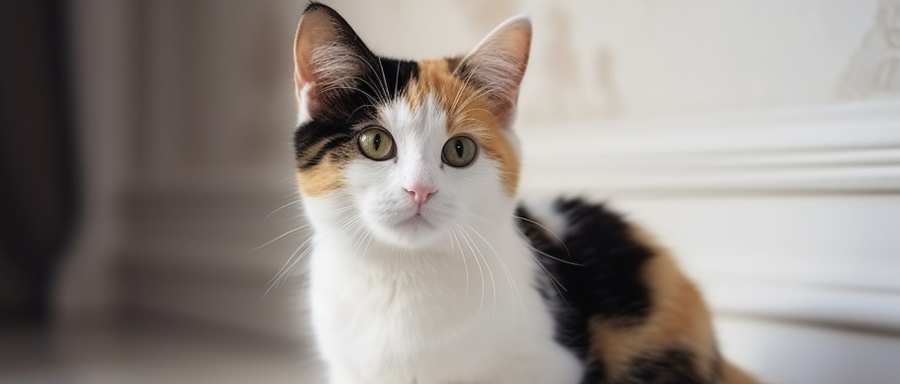
While pickles aren’t toxic to cats, they offer little nutritional value and may cause digestive issues.
Cats are known for their peculiar eating habits. They often turn their noses up at food that is healthy for them, yet seem drawn to things that aren’t. One such curiosity revolves around pickles. The question “Are Pickles Good For Cats?” arises when cat owners see their pets sniffing or even attempting to nibble on these tangy snacks. Understanding the implications of feeding pickles to cats requires a deep dive into feline nutrition, the ingredients in pickles, and how they affect a cat’s health.
The Anatomy of Pickles
Pickles are cucumbers that have been preserved in a brine solution, typically consisting of vinegar, water, salt, and various spices. This process not only alters the flavor but also changes the texture and nutritional profile of the cucumbers.
There are different types of pickles: dill pickles, sweet pickles, bread and butter pickles, and more. Each type has its unique flavor profile due to the varying ingredients used in their preparation. Dill pickles are flavored with dill weed and garlic, while sweet pickles contain sugar or other sweeteners.
The primary ingredients in most pickles include:
- Cucumbers: The base vegetable.
- Vinegar: Provides acidity.
- Salt: Essential for preservation.
- Spices: Vary by recipe but can include garlic, mustard seeds, and peppercorns.
Cats are obligate carnivores, meaning their diet primarily consists of meat. Their digestive systems are not designed to process high amounts of carbohydrates or sugars found in many human foods, including some types of pickles.
The Nutritional Profile of Pickles
To understand if pickles can be beneficial for cats, it’s essential to look at their nutritional content. Here’s a simple breakdown:
| Nutrient | Amount per 100g |
|---|---|
| Calories | 11 kcal |
| Protein | 0.5 g |
| Fat | 0 g |
| Carbohydrates | 2.4 g |
| Sodium | 1,200 mg |
As seen from the table above, pickles contain minimal calories and protein but are high in sodium due to the salt used in the brining process. This high sodium content is a significant concern when considering whether cats should consume pickles.
The Risks of Feeding Pickles to Cats
While it might be amusing to watch a cat curiously approach a pickle or even take a tentative lick, there are several risks associated with letting them indulge in this human snack.
Sodium Overload
Cats require sodium in small amounts for proper bodily function; however, too much sodium can lead to health issues such as hypertension (high blood pressure) and kidney problems over time. A single pickle can contain several hundred milligrams of sodium—far exceeding what a cat should consume in one sitting.
Additives and Preservatives
Many commercially prepared pickles contain additives like preservatives or artificial flavors that could be harmful to cats. These ingredients may not sit well with a feline’s digestive system and could lead to gastrointestinal upset.
Potential Allergens
Some spices found in certain types of pickles can act as allergens for cats. Ingredients like garlic and onion can be particularly harmful; both are known to be toxic to felines. Even small amounts can lead to serious health issues like hemolytic anemia.
The Benefits of Cucumbers for Cats
While the focus here is on whether cats can eat pickles, it’s worth noting that fresh cucumbers—the primary ingredient—are generally safe for cats in moderation. Cucumbers have low calories and high water content, making them an excellent hydrating snack.
When considering whether “Are Pickles Good For Cats?”, it’s crucial to differentiate between cucumbers and their preserved counterparts. Fresh cucumbers provide hydration without the risks associated with brined foods.
Feeding fresh cucumber slices as an occasional treat might even offer some benefits:
- Hydration: Helps keep cats hydrated.
- Low-Calorie Snack: Great for overweight pets.
- Crunchy Texture: Some cats enjoy the crunchiness.
If introducing cucumbers into a cat’s diet, it’s best done gradually and always monitored for any adverse reactions.
What Happens If My Cat Eats Pickle?
If a cat manages to sneak a bite or two of pickle, it might not lead immediately to serious consequences; however, it’s essential to observe them closely afterward. Signs that your cat may be having trouble include:
- Vomiting
- Diarrhea
- Lethargy
- Excessive thirst
If any concerning symptoms arise after consuming pickles or any human food not meant for felines, contacting a veterinarian is always recommended.
Cats often display quirky behaviors regarding food preferences; some may show curiosity about certain items simply because they’re novel or have an interesting smell. If your cat seems particularly drawn to pickles but has never actually consumed one before, it’s likely just their inquisitive nature at play rather than an indication that they should eat them regularly.
It’s crucial not to encourage this behavior by offering them pickled foods as treats or snacks regularly; instead, try offering healthier alternatives that align better with their dietary needs.
Alternatives To Consider Instead Of Pickles
For those moments when wanting to treat a feline friend with something outside their usual fare without risking their health with something like “Are Pickles Good For Cats?”, here are some safer options:
- Cooked Chicken: A favorite among most cats; ensure it’s plain without seasoning.
- Tuna: An occasional treat can excite any kitty.
- Canned Pumpkin: Great source of fiber; helps digestion.
These alternatives provide better nutrition while catering more closely to what felines need without introducing potentially harmful ingredients found in many human snacks.
Conclusion – Are Pickles Good For Cats?
After considering all aspects surrounding the question “Are Pickles Good For Cats?”, it becomes clear that while they aren’t outright toxic if consumed occasionally—and some cats may even enjoy them—there’s little reason for pet owners to offer this snack regularly due mainly due its high sodium content along with potential allergens present within certain varieties available commercially today!
Instead of risking your cat’s health over something as trivial as sharing your pickle snack time together—opting instead towards safer treats would yield far better results! Always prioritize what’s best suited specifically designed around feline dietary requirements whenever exploring new food options together!